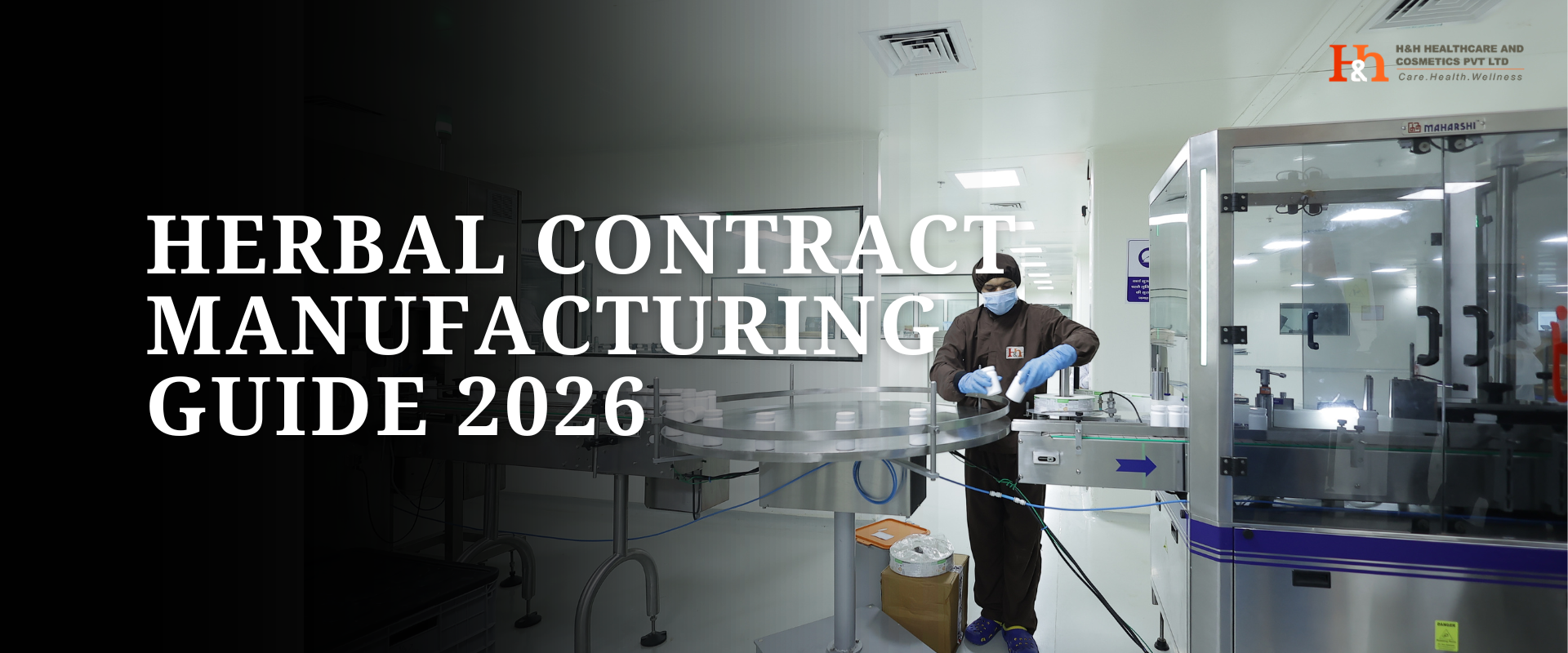
India produces approximately 8,500 metric tons of ashwagandha annually from over 10,000 hectares, processes turmeric into 95% curcumin extracts commanding premium markets, and maintains botanical diversity enabling access to hundreds of medicinal plants documented in Ayurvedic texts spanning millennia. This combination—traditional knowledge, raw material availability, and extraction expertise—positions India uniquely within global herbal wellness manufacturing. However, converting raw botanical materials into market-ready products meeting international quality standards demands substantially more than drying roots and grinding them into powder. Understanding what separates competent herb processing from pharmaceutical-grade extraction determines whether formulations deliver therapeutic efficacy or merely contain ingredients listed on labels.
Raw ashwagandha root contains 0.3-3% withanolides—the bioactive compounds responsible for adaptogenic effects. This variance creates dosing unpredictability: two batches of identical weight might deliver ten-fold different active ingredient quantities depending on growing conditions, harvest timing, and plant genetics. Standardized extraction solves this fundamental problem by concentrating and verifying active compound content, enabling precise formulation and consistent therapeutic outcomes.
Consider the technical challenge. Hydroalcoholic extraction—combining water and ethanol solvents—draws withanolides from ground root material through carefully controlled temperature and time parameters. Excessive heat degrades temperature-sensitive compounds, while inadequate extraction leaves active ingredients trapped in fibrous material, ultimately discarded as waste. The resulting liquid extract undergoes vacuum evaporation, concentrating actives while preventing thermal decomposition, producing a soft extract subsequently spray-dried into a stable powder.
Quality herbal contract manufacturing hnh operations implement multi-stage testing throughout this process. Incoming raw material testing via high-performance liquid chromatography (HPLC) verifies preliminary active compound content, justifying extraction investment. Mid-process testing confirms extraction efficiency—sampling liquid extract before concentration validates that actives have been successfully transferred from plant material to solvent. Final testing on dried extract powder confirms standardization targets were achieved—typically 2.5%, 5%, or even 35% withanolides, depending on application requirements and market positioning.
Curcumin extraction from turmeric presents different technical challenges. The yellow compound responsible for therapeutic effects constitutes only 2-5% of dried turmeric rhizome. Achieving 95% curcumin concentration—standard for premium supplements—requires sophisticated fractionation separating curcumin from other curcuminoids and plant compounds. This involves sequential extraction with different solvents, crystallization steps concentrating target compounds, and repeated purification cycles until specifications are met. Advanced facilities maintain solvent recovery systems reclaiming ethanol and other extraction media, reducing costs while minimizing environmental impact.
Standardization extends beyond merely measuring active compound percentages. Comprehensive specifications address multiple quality parameters, ensuring finished extracts deliver consistent performance across production batches despite natural raw material variability.
Heavy metal testing proves particularly critical for botanical extracts. Plants accumulate lead, cadmium, arsenic, and mercury from contaminated soil, with concentrations varying based on growing location and environmental exposure. Leading manufacturers implement ICP-MS (inductively coupled plasma mass spectrometry) testing, detecting heavy metals at parts-per-billion concentrations—substantially more sensitive than older atomic absorption methods. Premium ashwagandha extracts specify a maximum 0.5 ppm lead content versus the industry average of 2 ppm, demonstrating quality differentiation through stricter internal standards.
Pesticide residue testing addresses another contamination concern. Conventional farming employs pesticides to control insects and fungal diseases affecting crop yields. While field application rates may meet agricultural standards, concentrated extracts accumulate these residues proportionally to concentration factors. An extract concentrated 10-fold from the raw material contains pesticide residues similarly concentrated. Multi-residue testing screening hundreds of potential pesticides ensures finished products meet international safety standards for dietary supplements—particularly important for exports to markets with stringent limits like the European Union and the United States.
Microbial contamination requires systematic control throughout manufacturing. Raw botanical materials inevitably contain bacterial and fungal spores from field exposure. While extraction processes involving heat and solvents reduce microbial loads, they don’t achieve sterility. Final dried extracts undergo testing for total aerobic counts, yeast and mold, coliforms, and specific pathogens like Salmonella and E. coli. Products failing specifications require rejection or remediation through approved methods—controlled heat treatment or irradiation, where regulations permit.
Moisture content affects both product stability and weight accuracy. Herbal extracts typically target 3-5% final moisture—low enough to prevent microbial growth and clumping yet sufficient to avoid excessive brittleness. Facilities lacking environmental controls produce extracts with variable moisture, creating consistency issues for brands formulating tablets or capsules where weight uniformity matters for dosing accuracy.
Traceability enables identifying raw material sources when quality issues emerge. Advanced herbal product contract manufacturing hnh facilities maintain batch documentation linking finished extracts back through extraction records to specific raw material lots and ultimately to farms or collection regions where plants originated. This visibility proves essential when contamination issues surface, requiring rapid identification of affected batches and root cause determination, preventing recurrence.
Good Agricultural and Collection Practices (GACP) represent upstream quality control extending manufacturers’ responsibility beyond facility walls to farms growing raw materials. GACP principles address sustainable harvesting, species authentication, preventing adulteration, appropriate drying and storage, preventing degradation, and farmer training, ensuring consistent quality. Manufacturers implementing GACP programs directly with farmers establish supply chain control impossible when purchasing through commodity traders, where multiple sources intermingle, creating untraceable blends.
Supplier qualification procedures determine which raw material vendors meet quality standards. Rather than accepting certificates of analysis at face value, rigorous manufacturers conduct their own incoming raw material testing, verifying claimed specifications. This includes species authentication via DNA barcoding or microscopic analysis, active compound quantification confirming potency meets minimum thresholds justifying extraction economics, and contamination screening for heavy metals, pesticides, and microbial loads. Suppliers consistently meeting specifications earn approved status; those failing undergo corrective action requests or disqualification, protecting final product quality.
In-process controls during extraction and processing prevent quality failures detectable only through final product testing. Temperature and pressure monitoring during extraction confirms processes operate within validated parameters. Liquid extract testing before concentration enables corrective actions if extraction efficiency proves inadequate—additional extraction time, solvent addition, or temperature adjustment can recover batches rather than discovering insufficient actives only after expensive drying steps are complete. pH monitoring, solvent residue testing, and physical property verification at multiple stages create quality checkpoints enabling intervention before substantial value addition occurs on substandard material.
FSSAI regulations governing nutraceuticals in India establish minimum safety and labeling requirements, but leave substantial quality variation permissible. For manufacturers pursuing export markets or partnering with international brands, compliance extends well beyond FSSAI basics. United States Pharmacopeia (USP) monographs define standardization methods and specifications for numerous botanical extracts, with HPLC protocols specifying exactly which compounds should be measured and acceptance criteria for validated extracts. European Pharmacopoeia similarly provides reference standards enabling objective quality comparison.
Organic certification increasingly influences purchasing decisions as consumers prioritize products free from synthetic pesticides and fertilizers. However, organic certification for herbal extracts proves complex—not only must raw materials derive from certified organic farms, but extraction solvents, processing aids, and manufacturing facility practices must meet organic standards. Ethanol used for extraction must itself be organic-certified, as must any carriers or excipients added during spray drying. This requirement chain substantially increases costs while limiting supplier options, yet creates market differentiation for brands targeting premium organic segments.
Kosher and halal certifications address religious dietary requirements affecting supplement acceptability for Jewish and Muslim consumers, respectively. For herbal extracts, primary considerations involve alcohol use during extraction and gelatin in capsule shells. Manufacturers offering plant-based extraction alternatives or working with certifying agencies on acceptable processing parameters expand addressable market segments for client brands pursuing inclusive formulations.
Clean-label preferences influence ingredient processing decisions. Consumers increasingly scrutinize additive lists, preferring products with recognizable ingredients and minimal processing. This creates tension with extraction science—solvents like methanol, ethyl acetate, or hexane extract specific compounds efficiently but generate consumer resistance when disclosed. Water-ethanol extraction, despite technical limitations for certain applications, aligns with clean-label expectations. Similarly, spray drying aids like maltodextrin or silicon dioxide improve powder flowability but add ingredients some brands prefer avoiding. Navigating these trade-offs between technical optimization and market positioning requires understanding both extraction science and consumer perception.
Herbal wellness manufacturing excellence demands integrating multiple competencies—botanical sourcing, establishing quality foundations, extraction science concentrating and purifying actives, analytical capabilities validating specifications, quality systems ensuring consistency, and regulatory knowledge enabling market access across diverse geographies. Facilities demonstrating mastery across these dimensions produce extracts meeting pharmaceutical standards regardless of regulatory classification, while those with gaps generate quality variability, constraining client brands to markets accepting lower specifications.
For brands evaluating manufacturing partners, due diligence should extend beyond facility tours and pricing discussions to examine technical capabilities determining formulation success. Can the manufacturer provide validated extraction protocols for the requested botanicals? What analytical methods confirm active compound content and detect relevant contaminants? How are raw material suppliers qualified and monitored? What batch documentation supports traceability claims? These questions reveal whether facilities offer genuine technical partnership supporting product development or merely execute basic extraction, creating ingredients requiring extensive brand-side validation before confident market introduction.
India’s botanical heritage, combined with extraction expertise, creates substantial opportunity within global herbal wellness markets. Realizing this potential requires manufacturers elevating beyond commodity extraction toward scientific rigor matching or exceeding international quality benchmarks—exactly what discerning brands demand as consumers increasingly expect herbal products delivering consistent, validated therapeutic benefits rather than merely listing traditional ingredients lacking efficacy substantiation.
Partner with excellence. Launch your branded supplements today.

India’s trusted CDMO Partner, delivering science-driven solutions across healthcare & cosmetics sectors.
© 2026 H&H Healthcare and Cosmetics Pvt. Ltd. Designed by ROI Makers.