Softgel capsules dominate supplement aisles across Indian pharmacies—omega-3 for cardiovascular support, vitamin E for skin health, CoQ10 for cellular energy. This format prevalence reflects technical advantages addressing fundamental challenges in nutrient delivery, stability, and consumer compliance. For an industry projected to reach USD 11.8 billion globally by 2030 with 6.5% annual growth, understanding what distinguishes competent manufacturing from genuine technical excellence determines whether facilities serve local markets or compete internationally.
The human digestive system presents hostile conditions for wellness compounds. Stomach acid degrades certain vitamins, oils oxidize when exposed to moisture, and poorly soluble ingredients pass through the intestines largely unabsorbed. The softgel capsule contract manufacturing addresses these challenges through engineered delivery that tablets and powders struggle to replicate.
Consider omega-3 fatty acids. In powder or tablet form, these polyunsaturated fats oxidize quickly upon air exposure, creating rancidity that compromises efficacy. Softgel encapsulation seals oils in hermetically sealed gelatin shells, eliminating oxygen exposure until consumption. Clinical absorption studies document 20-30% higher bioavailability for lipid-soluble nutrients delivered via softgels compared to tablets—a performance differential attributable to pre-dissolved active ingredients requiring no digestive breakdown before absorption.
Vitamin D3 provides another example. This fat-soluble vitamin demonstrates poor absorption in dry tablet form without dietary fats. Softgel formulations suspend vitamin D3 in oil carriers—typically soybean, sunflower, or medium-chain triglycerides—enabling absorption independent of meal timing. Population studies correlating serum vitamin D levels with supplementation format consistently show superior outcomes for oil-based delivery versus conventional tablets.
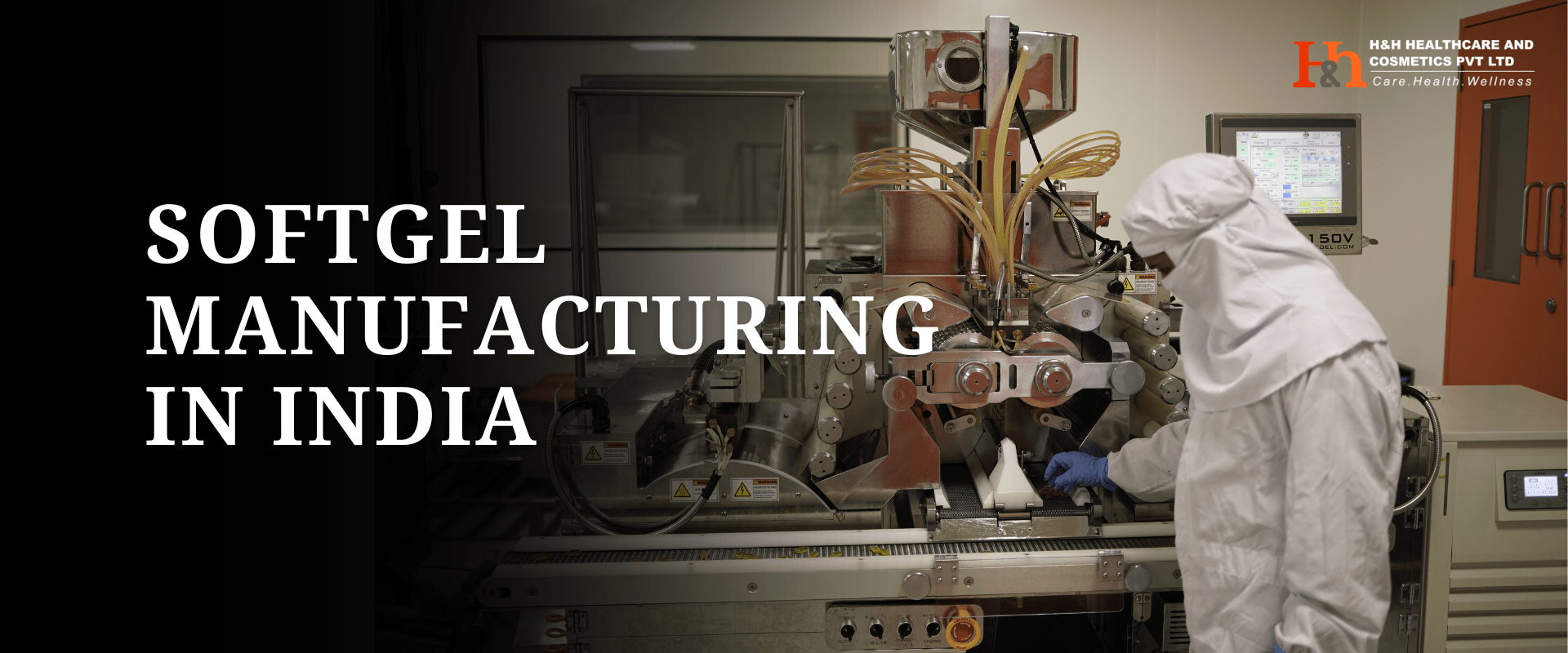
Creating softgels demands substantially more sophisticated infrastructure than tablet compression or capsule filling. The rotary die encapsulation process requires simultaneous coordination of multiple variables: gelatin ribbon formation at precise temperature and moisture levels, fill material metering within tight tolerances, die rotation timing synchronization, and hermetic sealing under controlled pressure.
Temperature control proves particularly critical. Gelatin maintains workable viscosity only within narrow windows—typically 40-50°C, depending on bloom strength and plasticizer content. Too cool, and ribbons become brittle and crack; too warm, and structural integrity fails. Advanced facilities implement closed-loop temperature monitoring with real-time adjustments, maintaining ±0.5°C stability throughout production cycles.
Humidity represents another critical variable. Gelatin’s hygroscopic nature means ambient moisture affects both ribbon formation and finished capsule stability. Facilities implementing proper environmental controls maintain 35-45% relative humidity in encapsulation rooms through dedicated HVAC systems. Post-production, capsules undergo controlled tumble drying—gradual moisture reduction, preventing surface cracking while achieving the target 6-9% final moisture content, ensuring shelf stability.
ISO certification and GMP compliance represent minimum manufacturing prerequisites, not quality differentiators. What separates capable facilities from technically sophisticated operations involves additional rigor rarely visible during standard facility audits.
Raw material qualification protocols extend beyond certificates of analysis to include qualification batches demonstrating compatibility with specific production equipment. Gelatin specifications encompass not merely bloom strength and viscosity but also clarity parameters, heavy metal limits, microbial content, and processing additives affecting capsule appearance. For facilities serving international markets, gelatin sourcing must accommodate diverse regulatory and religious requirements—bovine gelatin for standard applications, fish gelatin for kosher/halal compliance, or plant-based alternatives for vegetarian formulations.
In-process testing provides real-time quality monitoring impossible through finished product sampling alone. Advanced manufacturers implement inline weight checking, verifying fill accuracy, automated visual inspection systems detecting deformations and leaks, and periodic dissolution testing confirming release profiles meet specifications. This systematic monitoring enables immediate corrective action when trends indicate process drift.
Stability protocols determine whether capsules maintain potency and integrity throughout the claimed shelf life under realistic storage conditions. Accelerated stability studies expose samples to elevated temperature and humidity while monitoring physical attributes—seal integrity, color, odor—and chemical parameters like active ingredient potency and oxidation markers.
India’s emergence as a wellness manufacturing hub reflects structural advantages beyond labor cost considerations. The country maintains pharmaceutical manufacturing expertise accumulated over decades, producing generic medications under stringent regulatory scrutiny. This institutional knowledge translates directly to nutraceutical contract manufacturing services, process validation protocols, analytical method development, and regulatory documentation practices that transfer seamlessly between pharmaceutical and wellness applications.
Raw material access represents another competitive factor. India’s position as a major gelatin producer—with domestic capacity exceeding 45,000 metric tons annually—provides cost-effective, quality-assured shell material access. Similarly, botanical extract capabilities leveraging traditional Ayurvedic ingredient knowledge enable unique formulations combining conventional nutrients with traditional herbs.
The regulatory environment provides frameworks that international partners increasingly recognize as credible. FSSAI’s nutraceutical regulations establish minimum safety and labeling standards. For manufacturers implementing additional voluntary certifications—organic verification, kosher/halal certification, or pharmaceutical GMP standards—this regulatory baseline, combined with demonstrated compliance, creates quality assurance confidence supporting export partnerships.
For brands evaluating Indian manufacturers for softgel production partnerships, several technical evaluation dimensions provide insight beyond facility tours and pricing discussions.
Equipment sophistication matters significantly. Modern encapsulation machines featuring servo-driven die rotation, automated ribbon monitoring, and integrated quality checking systems produce substantially more consistent output than older mechanical equipment requiring frequent manual adjustment. Analytical capabilities determine whether manufacturers can truly validate quality claims. High-performance liquid chromatography (HPLC) for active ingredient quantification, gas chromatography for oxidation marker detection, and dissolution apparatus for release profile characterization represent a minimum analytical infrastructure for sophisticated wellness manufacturing.
Technical documentation quality reveals operational sophistication levels. Detailed batch production records documenting all process parameters, environmental conditions, and quality checkpoint results enable root cause investigation when issues arise. Change control procedures governing formulation modifications and deviation investigation protocols indicate whether quality issues trigger genuine process improvements or merely generate paperwork satisfying audit requirements.
India’s position within global wellness manufacturing reflects more than cost advantages or expanding domestic consumption. It demonstrates accumulated technical expertise, infrastructure investment, and quality system maturity, enabling production to meet international specifications across diverse markets with varying regulatory requirements.
For manufacturers, competitive differentiation increasingly depends on technical capabilities beyond basic production competence—advanced analytical methods supporting bioavailability claims, process validation enabling consistent quality, and format versatility addressing diverse formulation requirements. For brands, partnership selection demands technical due diligence evaluating not merely current capabilities but organizational commitment to continuous improvement and quality system evolution, matching market sophistication progression.
As wellness consumers become more discerning, demanding transparency about sourcing, manufacturing processes, and efficacy validation, the performance gap between manufacturers offering basic production services and those delivering comprehensive technical partnership will widen. Understanding these distinctions determines whether wellness brands build supply chains supporting growth ambitions or discover manufacturing limitations constraining market opportunities when scale demands exceed partner capabilities.
Partner with excellence. Launch your branded supplements today.

India’s trusted CDMO Partner, delivering science-driven solutions across healthcare & cosmetics sectors.
© 2026 H&H Healthcare and Cosmetics Pvt. Ltd. Designed by ROI Makers.